
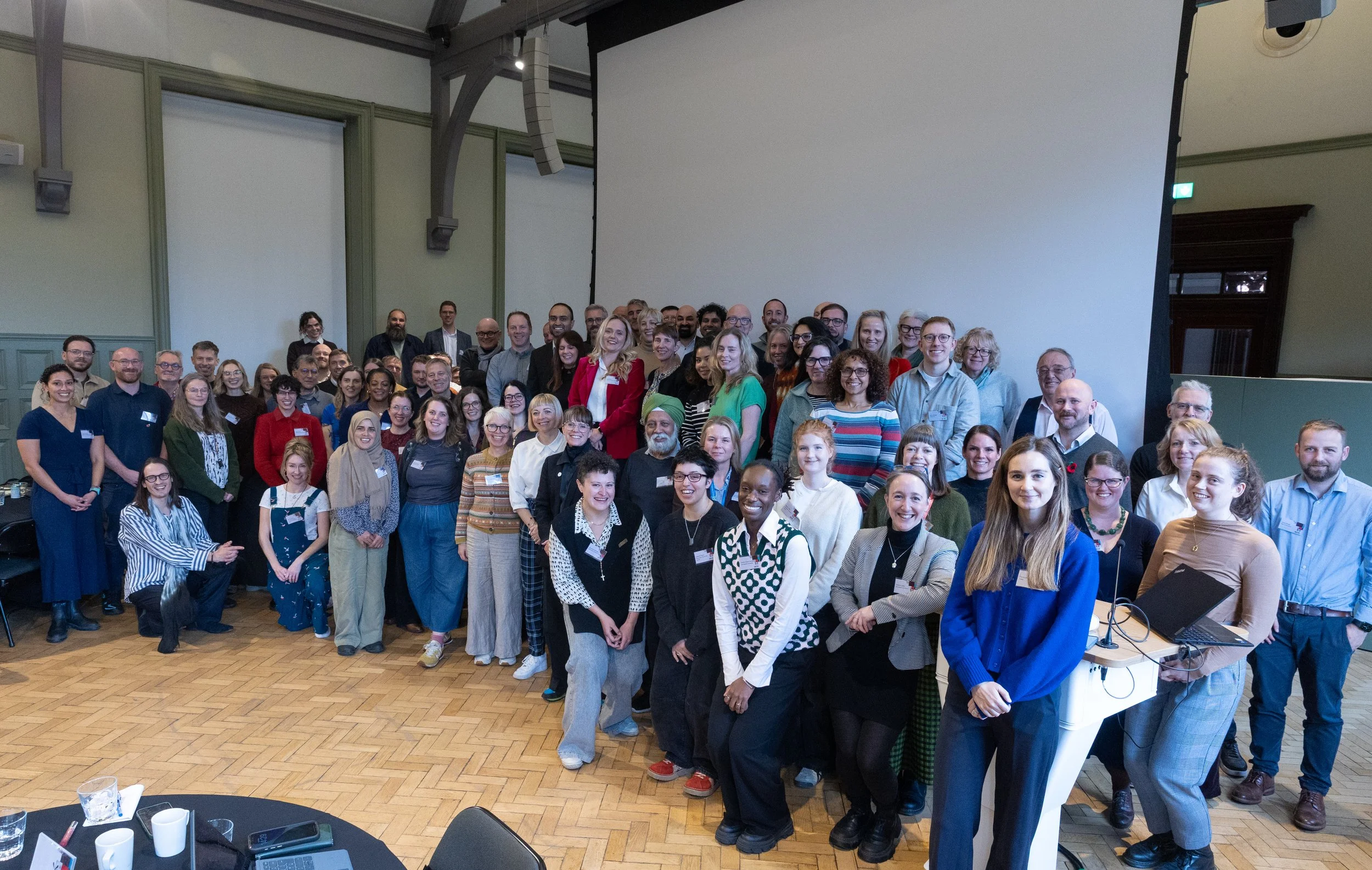
On Tuesday 10 November 2026, around 100 members of the Manchester Climate Ready Partnership, wider stakeholders and community representatives came together at The Whitworth Art Gallery, to explore how we can create healthier, more affordable, zero carbon and climate-resilient homes and neighbourhoods.
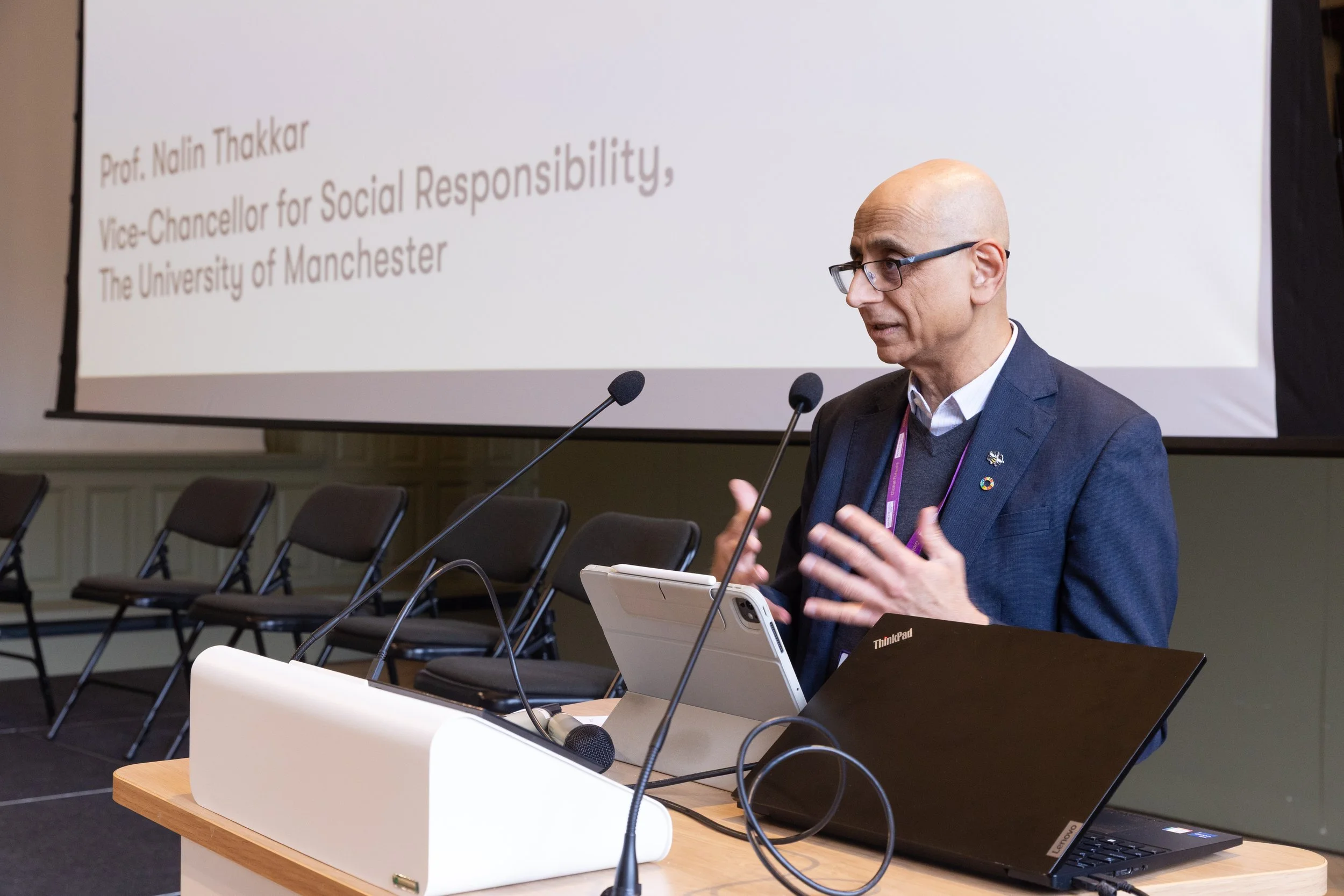
The event opened with a welcome from Mike Wilton, Chair of the Manchester Climate Ready and Professor Nalin Thakkar, Vice-Chancellor of The University of Manchester, and a message from Professor Duncan Ivison, President and Vice-Chancellor of The University of Manchester, highlighting the importance of collaboration in creating a zero carbon, climate-resilient city.
Our Future Homes: imagining Manchester in 2038
What could Manchester's homes and neighbourhoods look like in 2038 if we get this right?
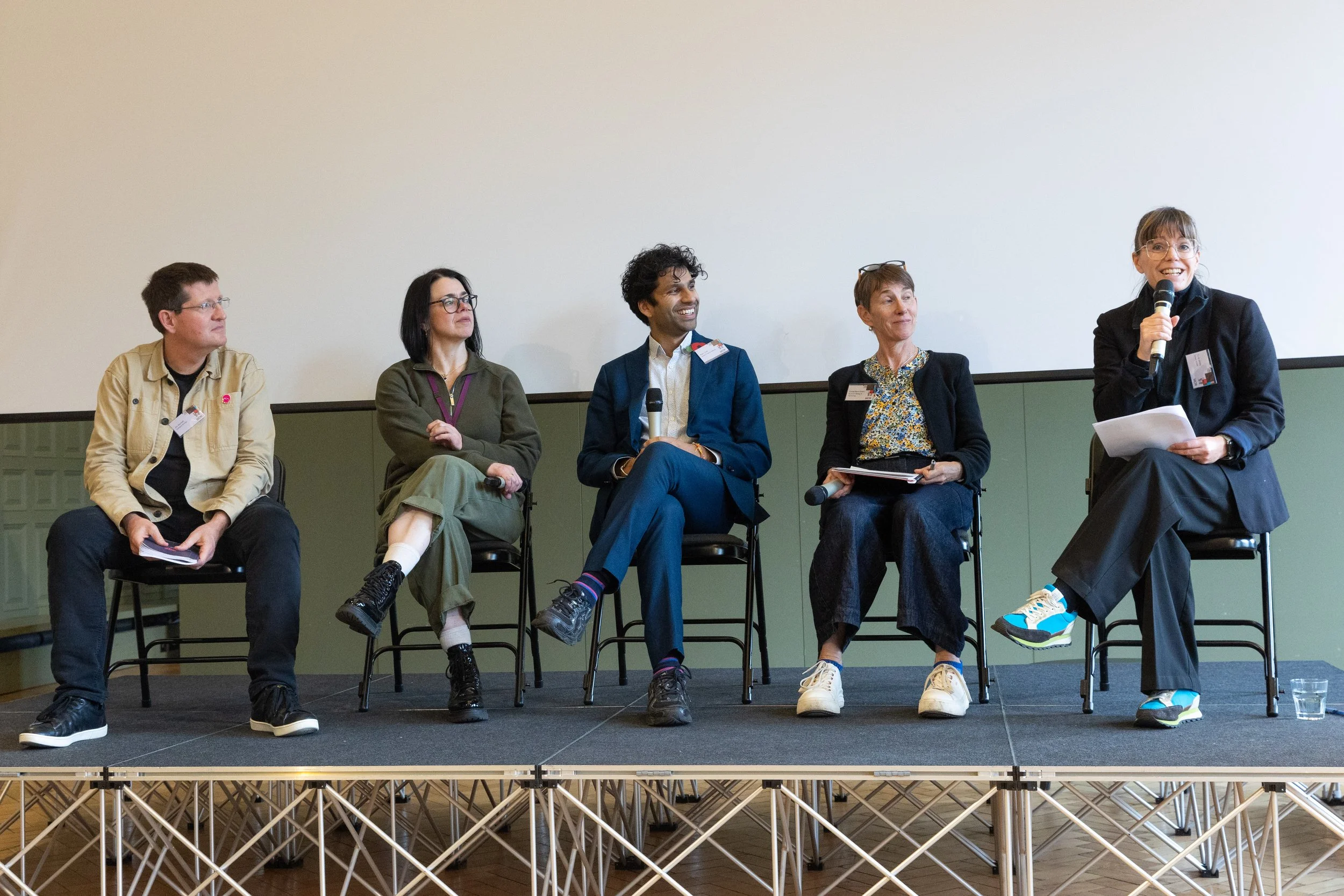
Our expert panel explored this question, looking beyond today's challenges to imagine a future where homes are healthier, more affordable, zero carbon and resilient to a changing climate.
The panel was chaired by Suzy Jones, Director of the Future at Urban Splash and featured:
Rebecca Heron, Strategic Director of Growth and Development at Manchester City Council, focusing on the city’s strategic vision of creating well-connected, zero carbon, resilient and healthy neighbourhoods and what we are doing now to ensure our homes are fit for the future.
Louise Marix Evans, Director at Quantum Strategy and Technology, discussing the future of existing homes where residents and communities are at the heart of shaping solutions.
Ryan Jude, Executive Director of Built Environment, Transport & Communities at The Green Finance Institute, describing how new models of public and private finance could unlock investment in zero carbon, resilient homes.
Jim Bennett, Low Carbon Director at Octopus Energy, looking at how innovations in home energy technology could transform the way we heat and power our homes in 2038.
From the role of local government in shaping better neighbourhoods to the importance of making retrofit accessible and affordable, the conversation considered what needs to change to make this future possible.
Accelerating retrofit: where are we now?
Turning this vision into reality means understanding the challenges we face today, and the opportunities already emerging.
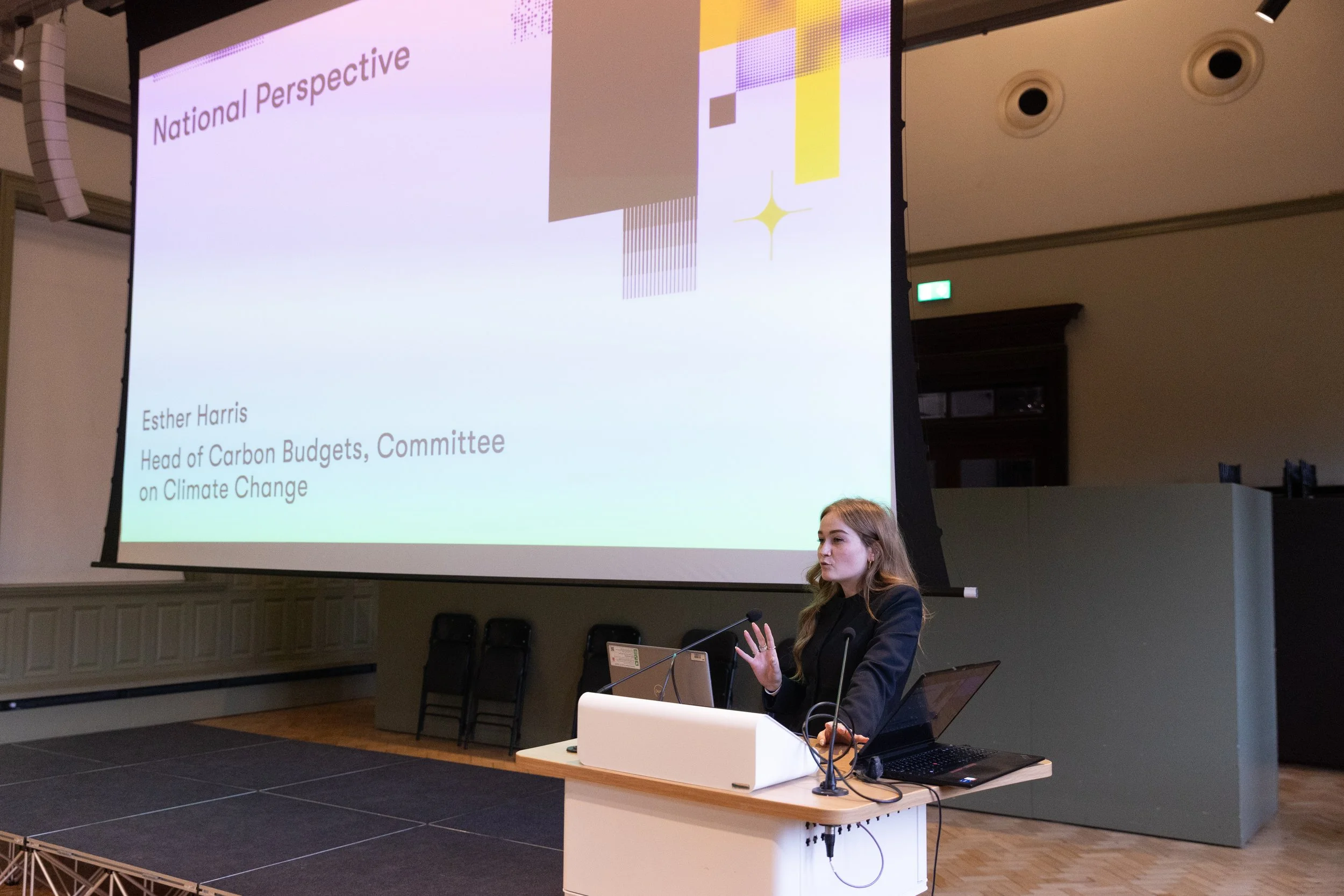
Esther Harris, Head of Carbon Budgets at the Climate Change Committee, provided a national perspective on housing retrofit and climate adaptation, drawing on evidence and experience from across the UK.
Key messages included:
The risk of extreme heat in homes and offices is projected to be four times higher In the 2050s, than present day.
Existing homes will require adaptation measures to make them more resilient.
Public investment is needed to adapt our homes and communities to river, coastal, and surface water flooding.
New buildings and developments should be built to be resilient to flooding, overheating, and coastal erosion.
To get on track, the UK Government must accelerate electrification across the economy.
This was followed by a series of lightning talks bringing together different perspectives from across the retrofit system:
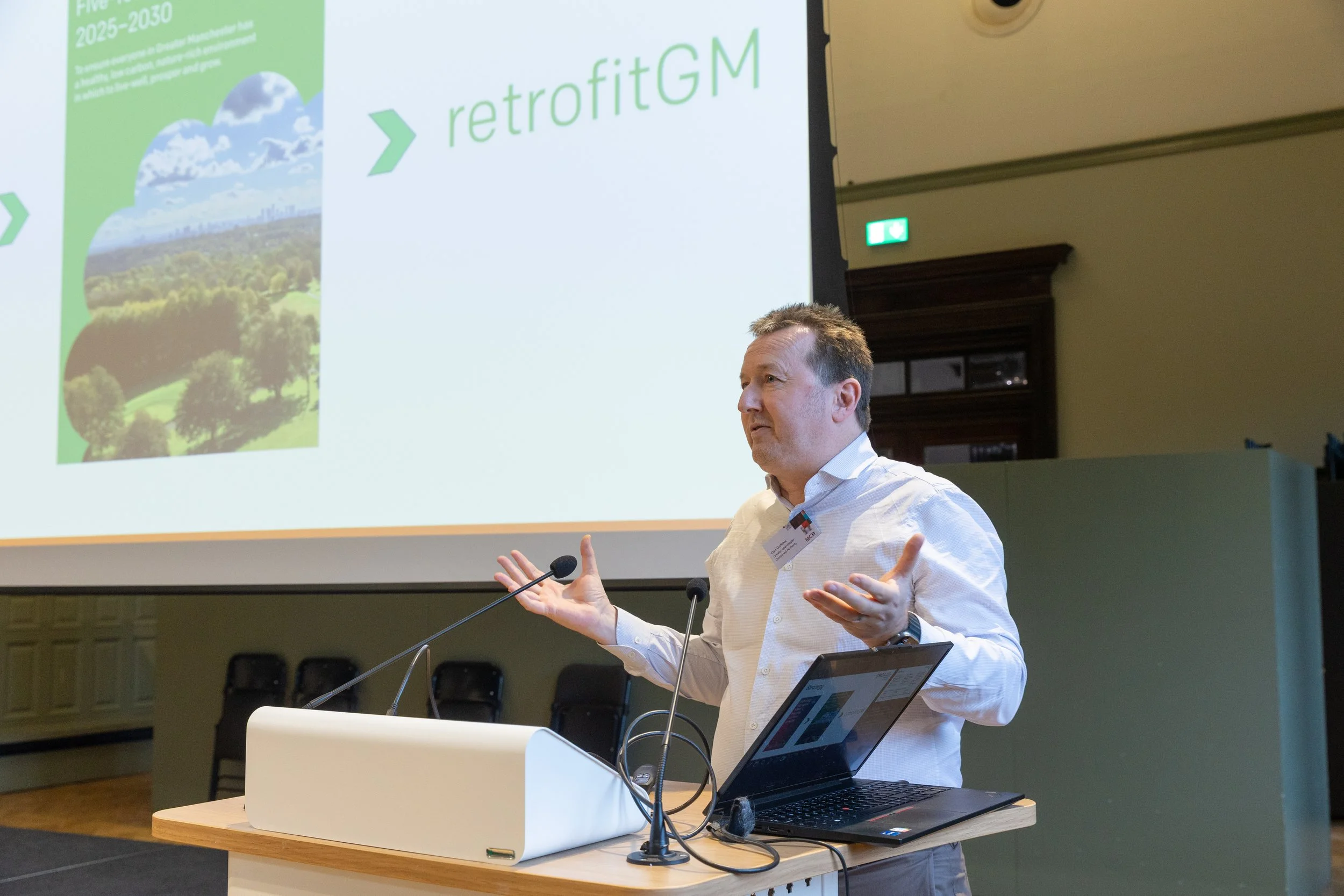
Dan Griffiths, Greater Manchester Combined Authority, exploring Greater Manchester’s approach to making retrofit easier for residents to access, including the GMCA Retrofit Strategy and the Feel the Benefit portal.
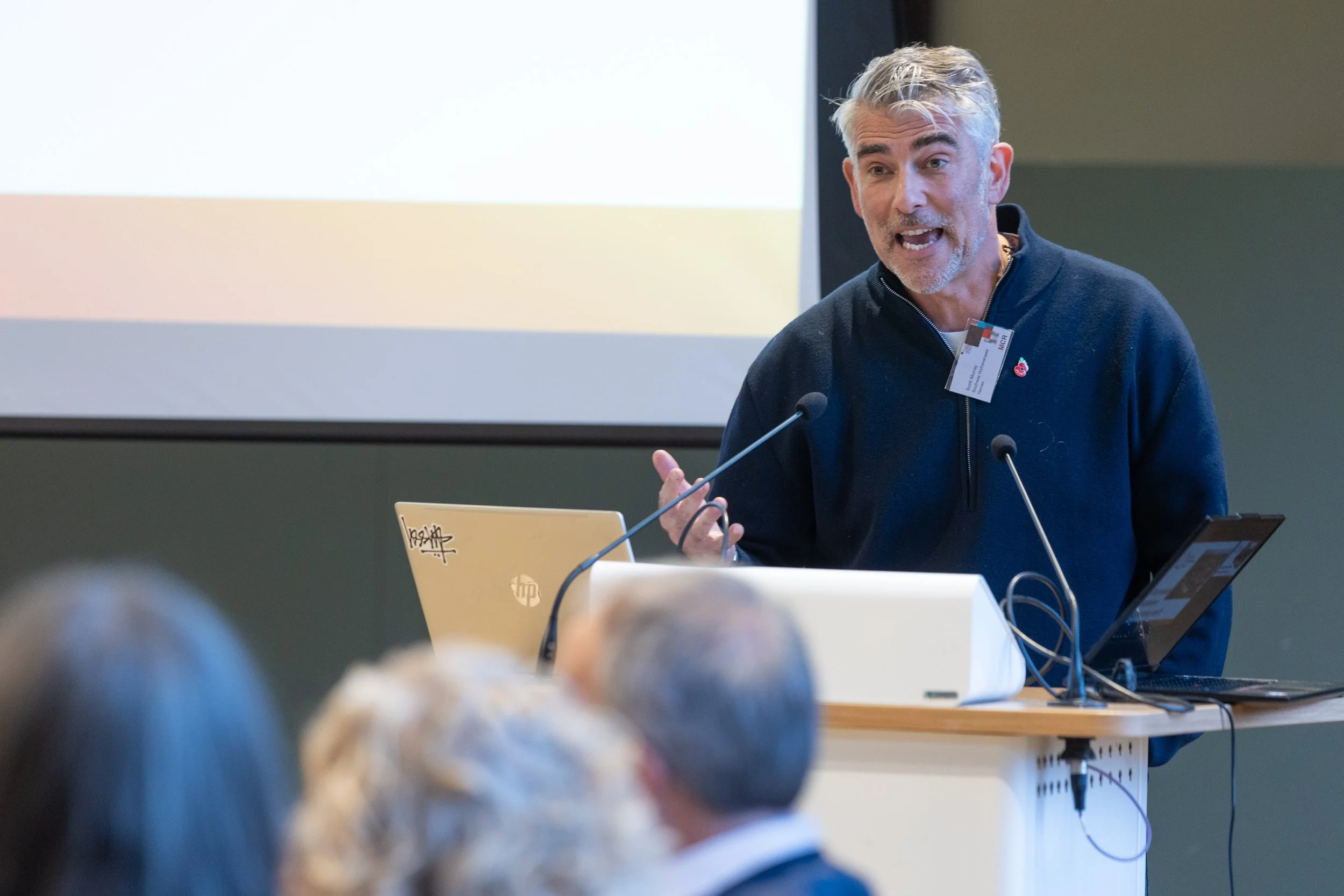
Scott Murray, Southway Housing Trust, providing practical experience of delivering retrofit in social housing, including how to build trust, engage and support tenants, manage disruption and bring residents and communities with you through the process.
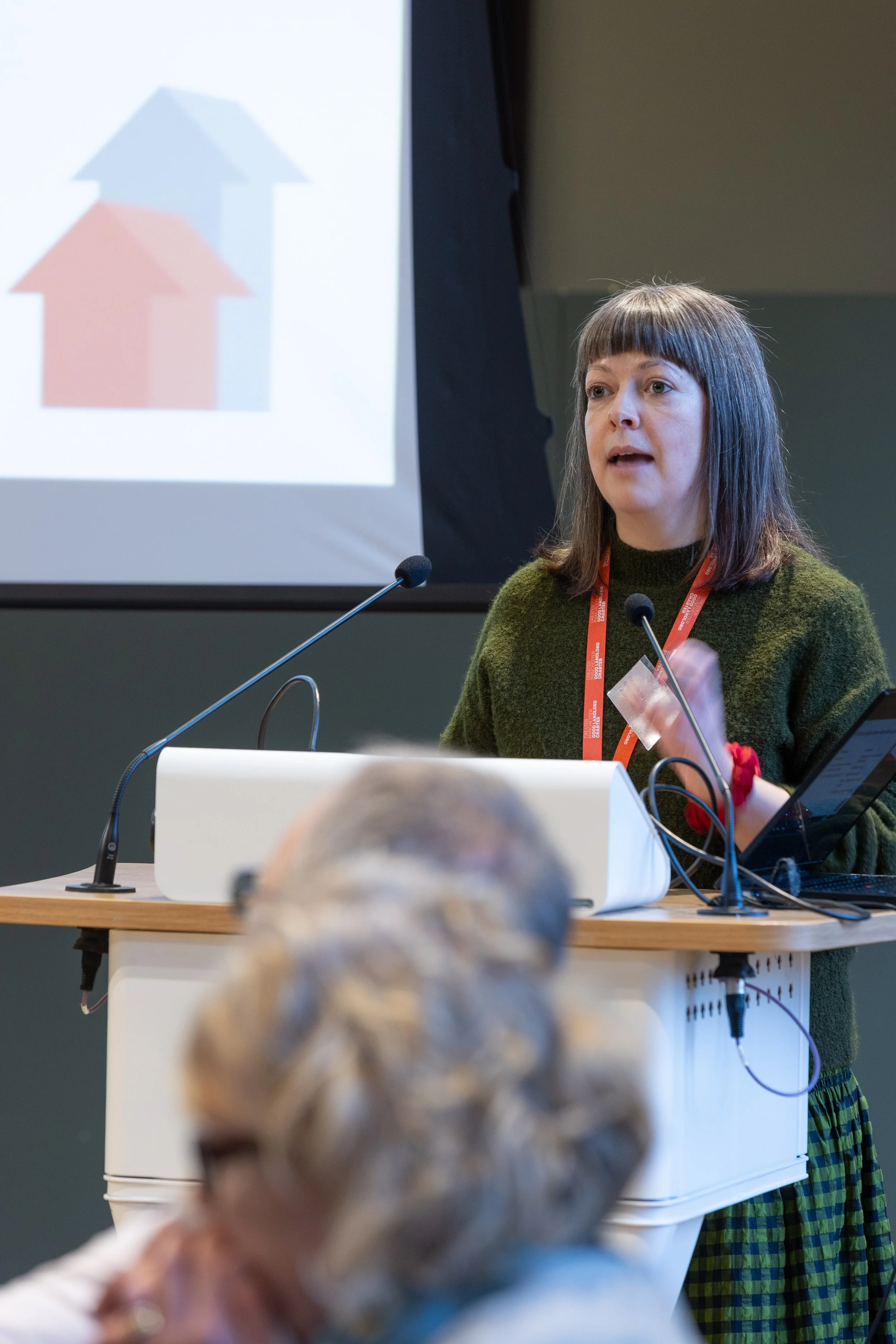
Charlotte Vale, Greater Manchester Good Landlord Charter, providing insights from working with landlords on the challenges of delivering retrofit in the private rented sector, including split incentives, barriers to investment and what could help turn landlord interest into action.
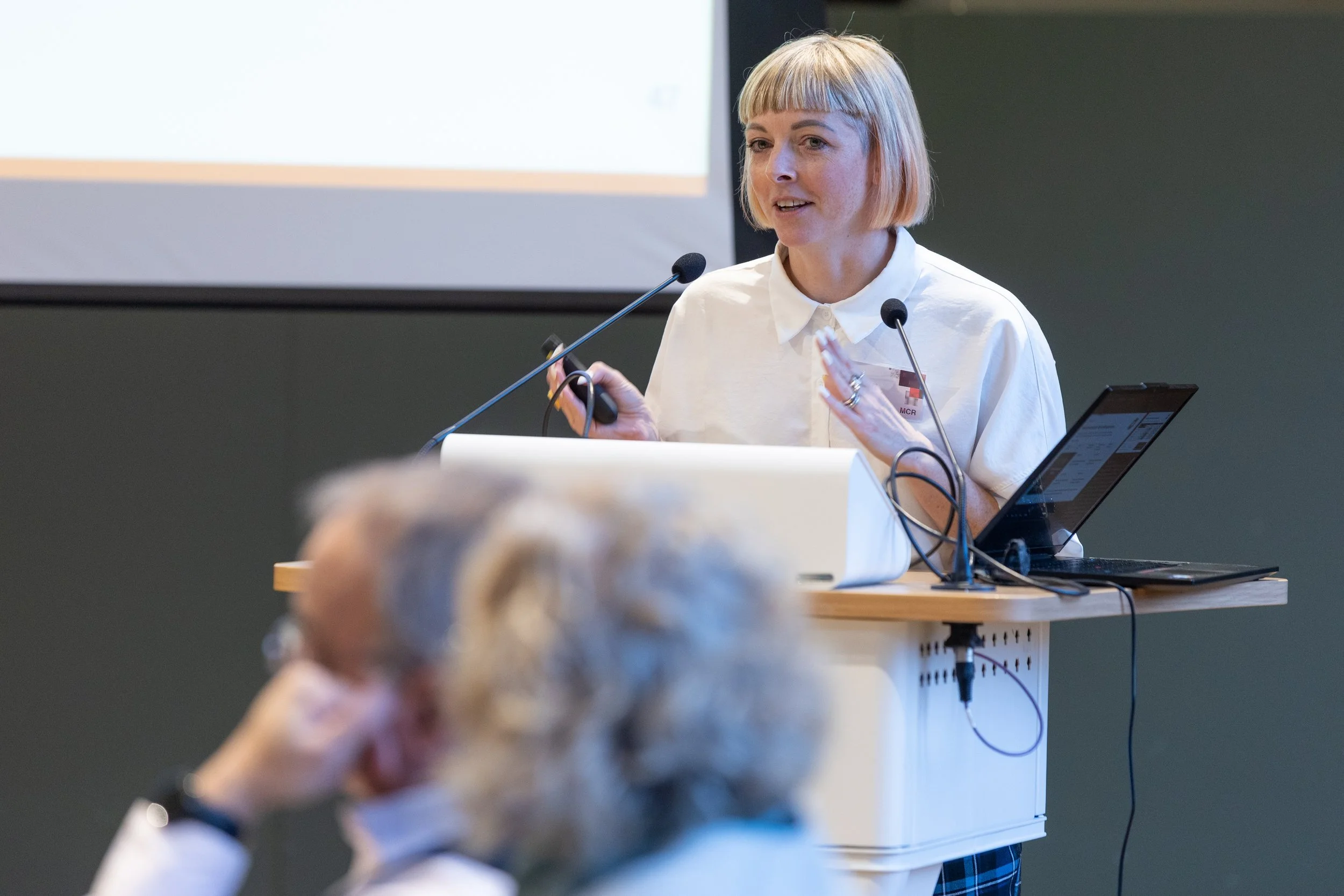
Amy House, Green Economy, exploring the skills and supply chain needed to deliver retrofit at scale, including where capacity gaps exist and what is needed to build the workforce and local supply chain for the future.
Together, the presentations provided a picture of the different parts of the retrofit challenge needed to transform Manchester's homes.
Accelerating Retrofit
We asked our delegates to identify opportunities for collaboration and to make practical commitments that can accelerate retrofit across Manchester.
In total over 40 commitments were made with several common themes emerging:
Raising awareness and sharing information: Helping wider audiences understand the benefits of retrofit and access trusted information and advice.
Building partnerships: Working with other organisations, community groups and residents to strengthen connections and develop collaborative approaches.
Developing skills and capacity: Supporting training, sharing expertise and helping build the workforce needed to deliver retrofit at scale.
Sharing knowledge and resources: Making better use of existing research, data, technical expertise and tools to support delivery.
Unlocking investment: Exploring opportunities to overcome financial barriers and support investment in improving Manchester's homes.
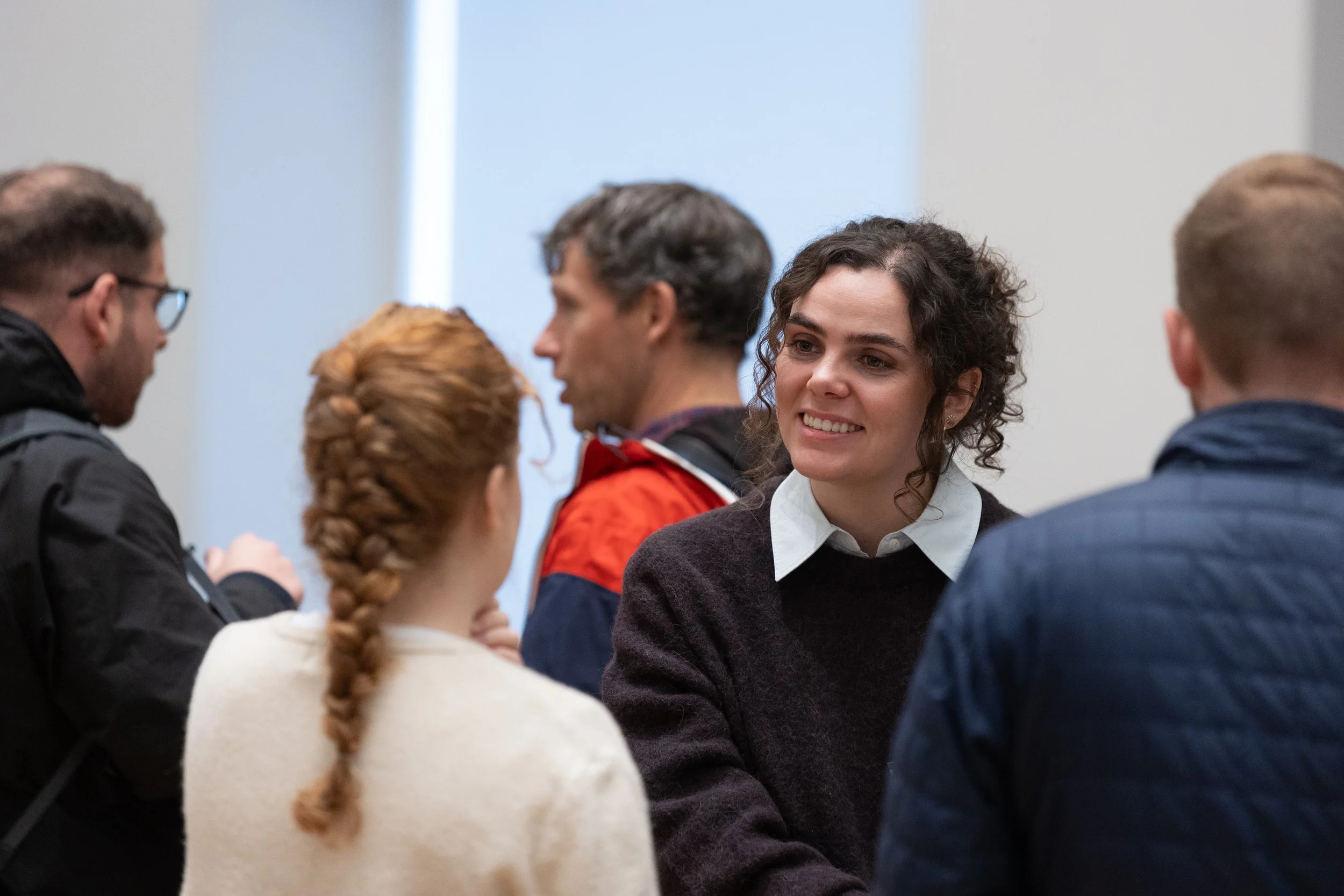
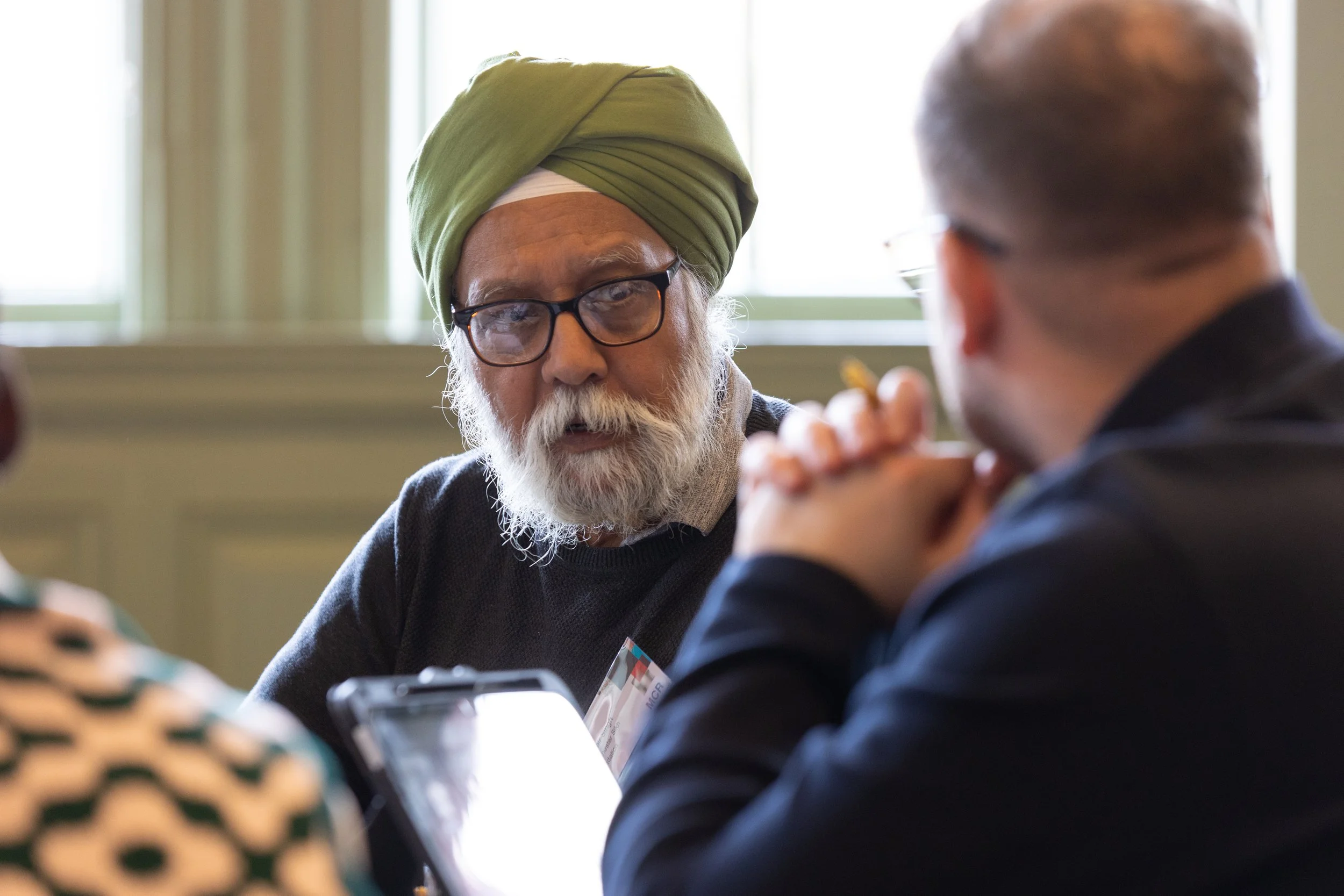

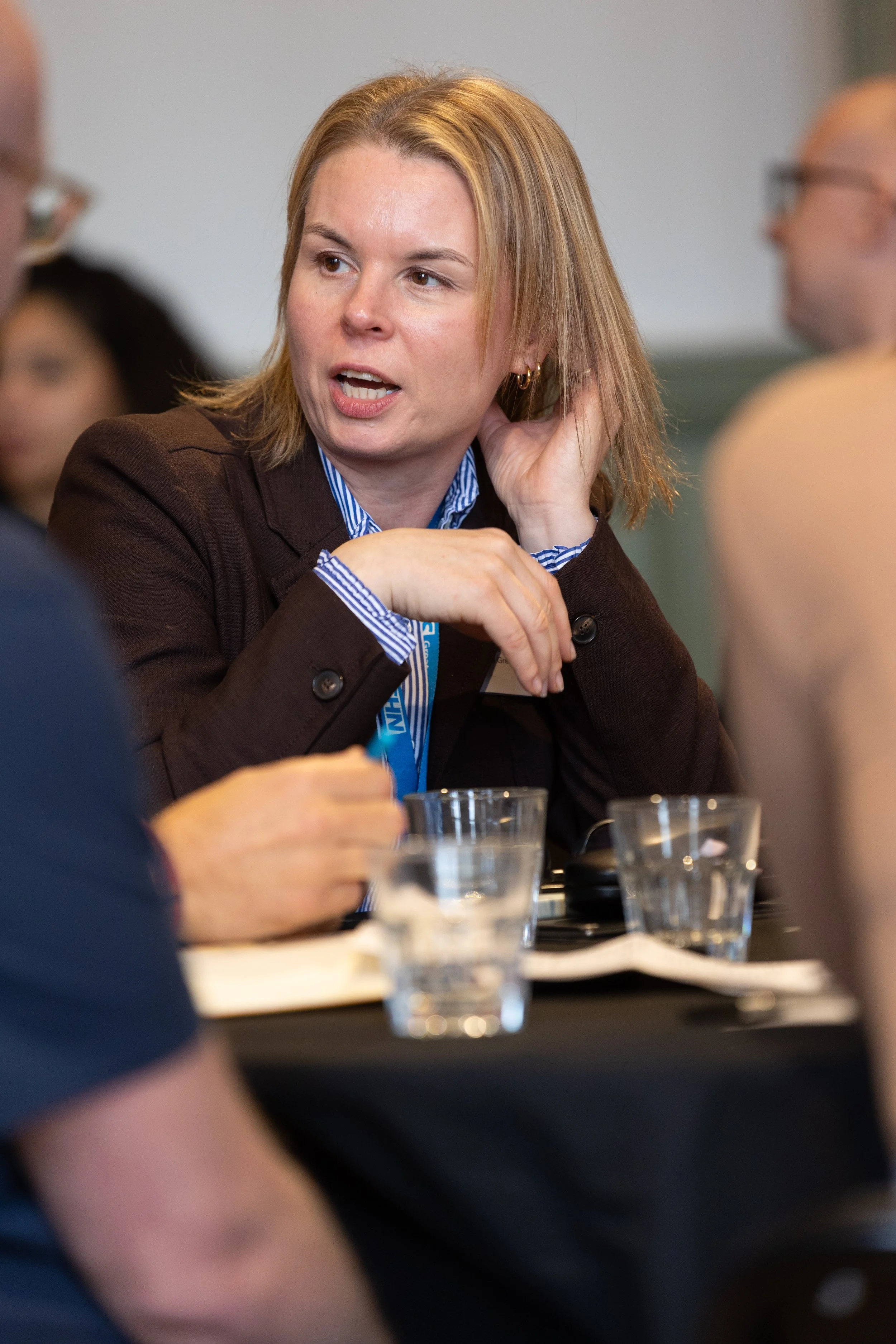
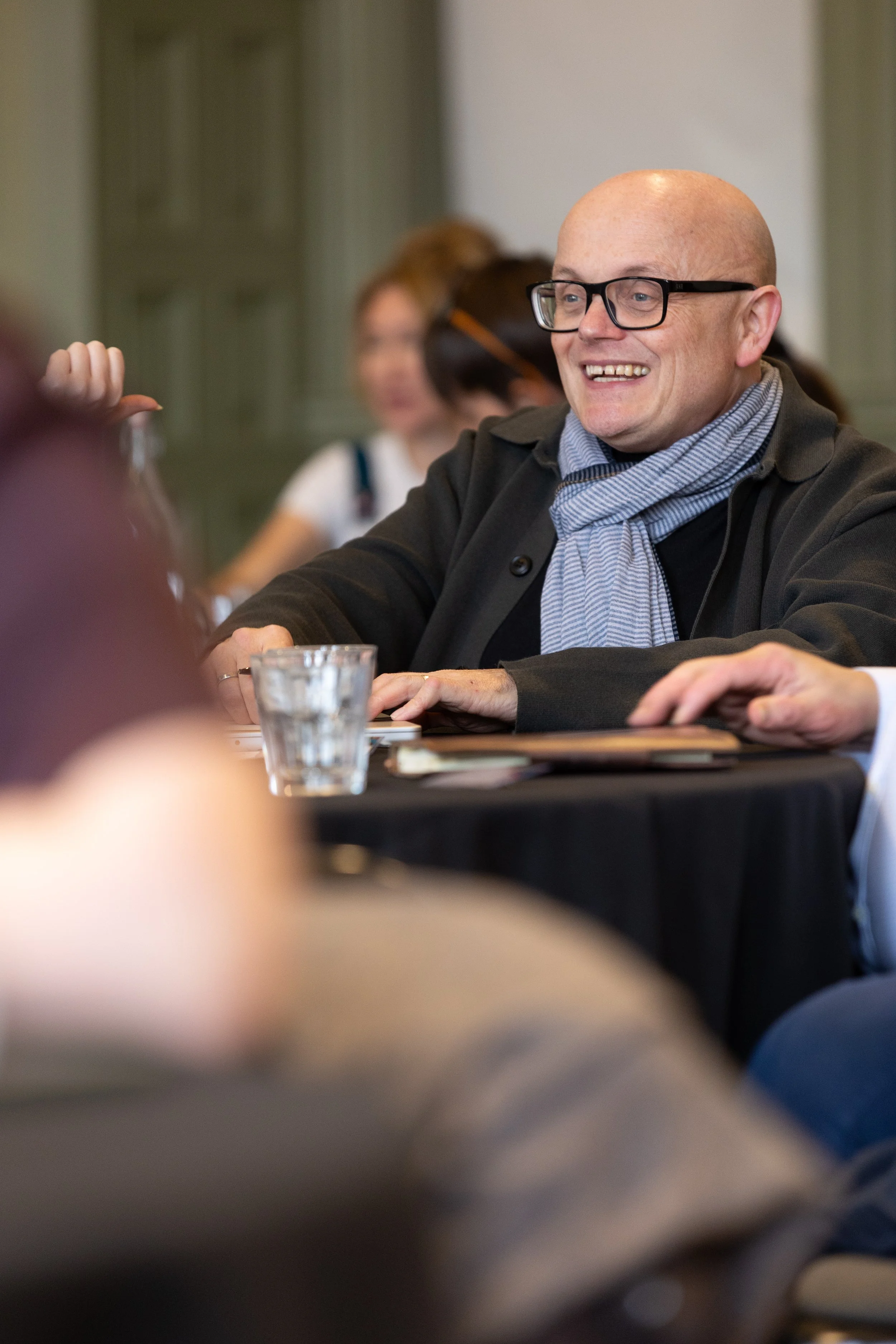
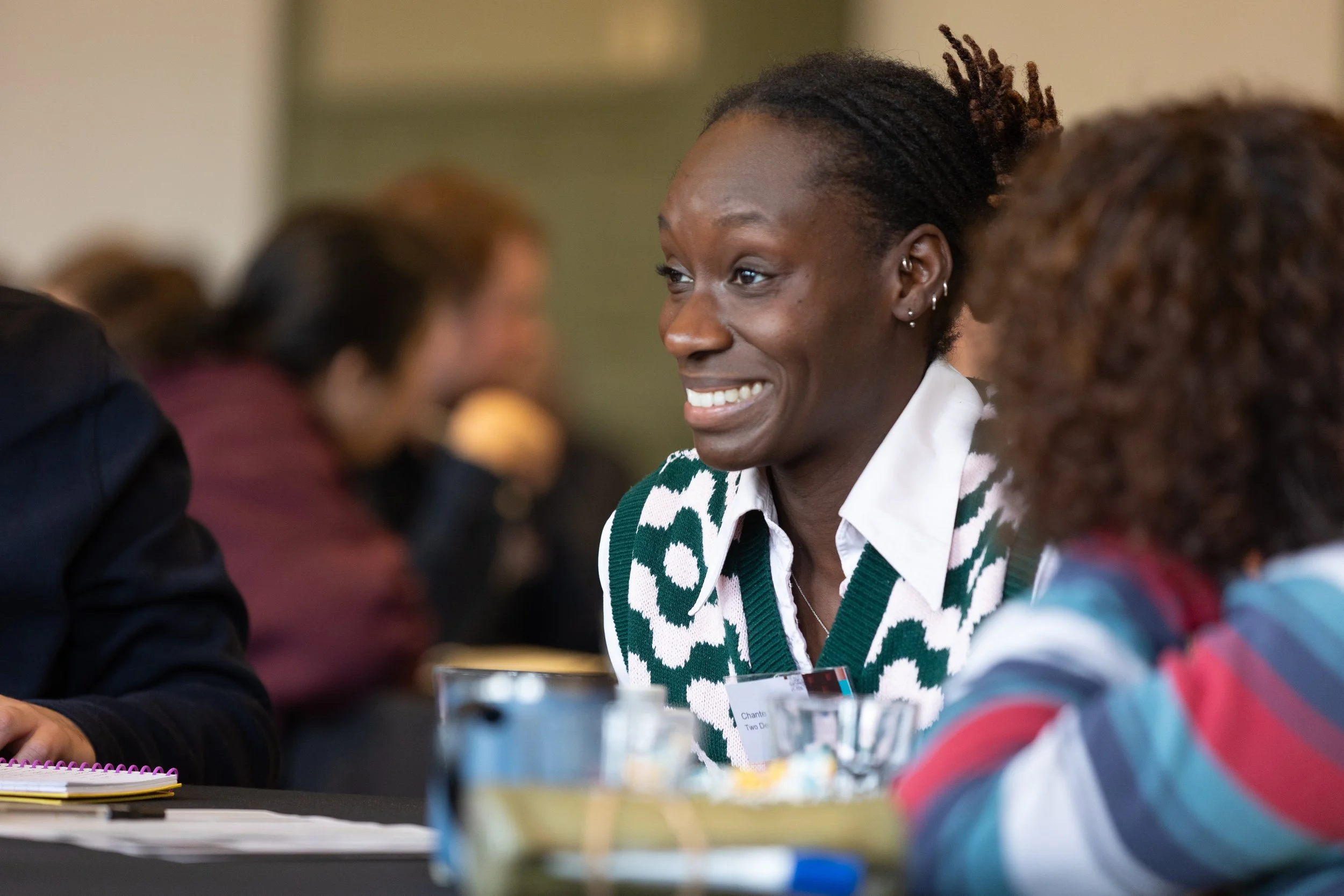
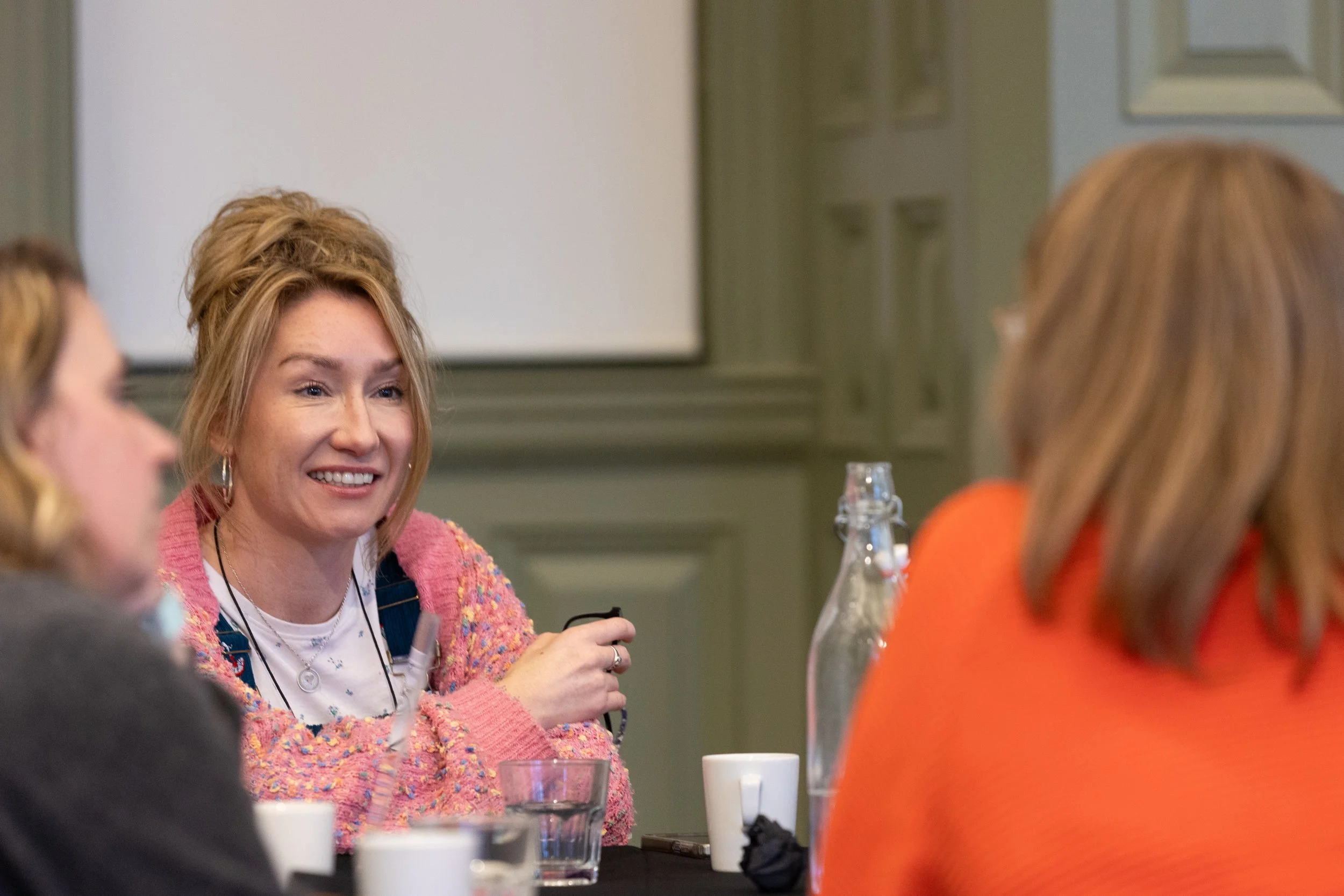

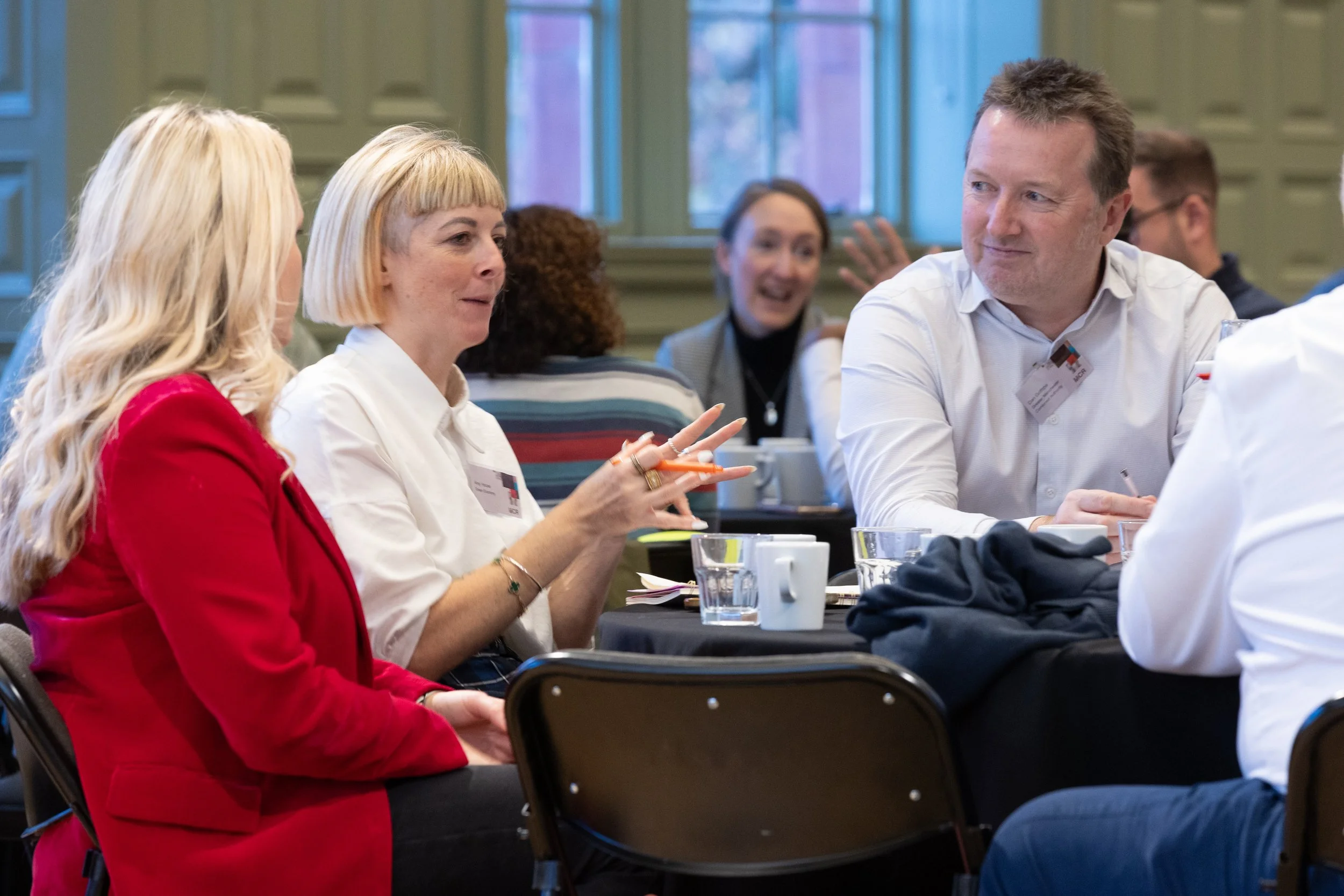
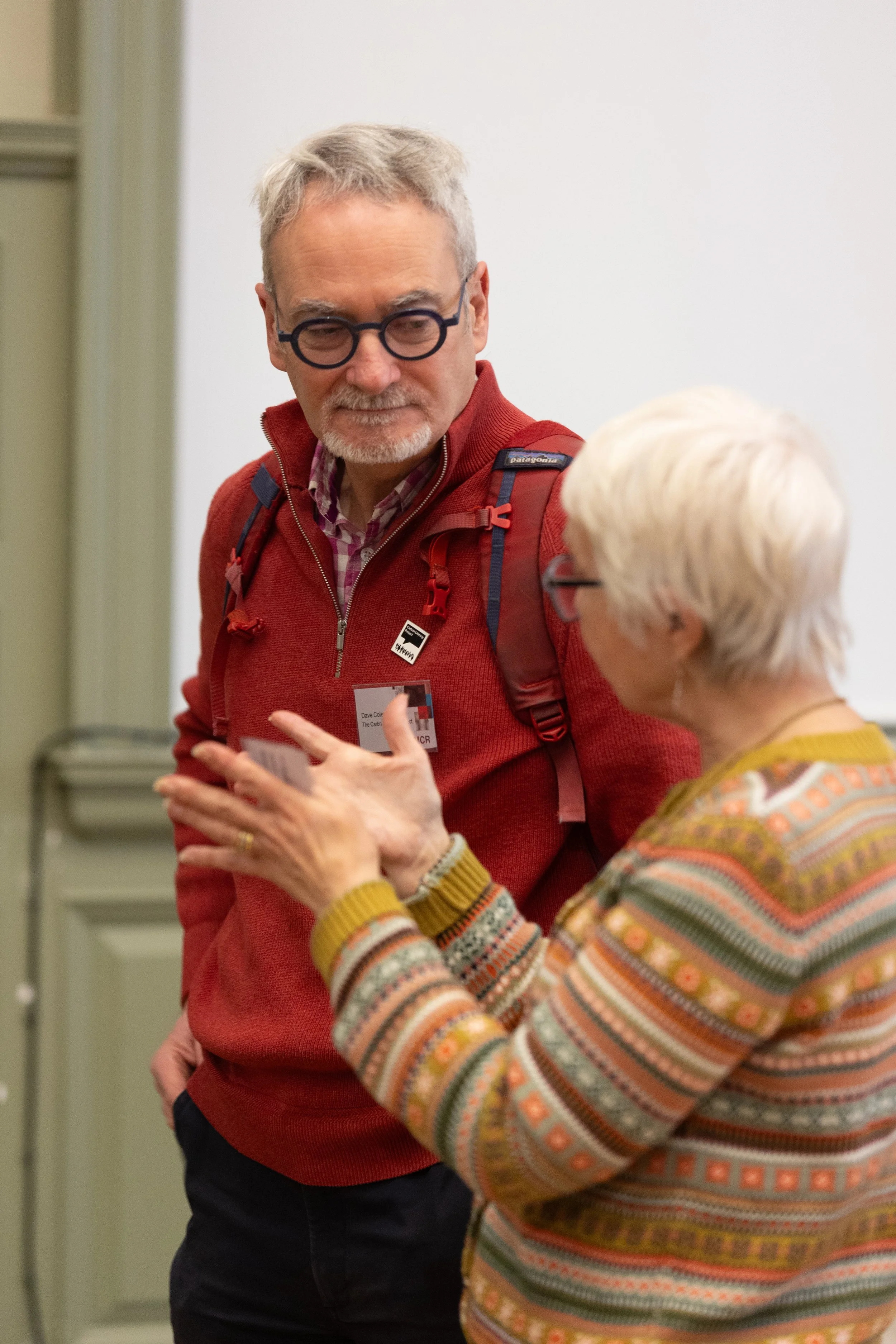
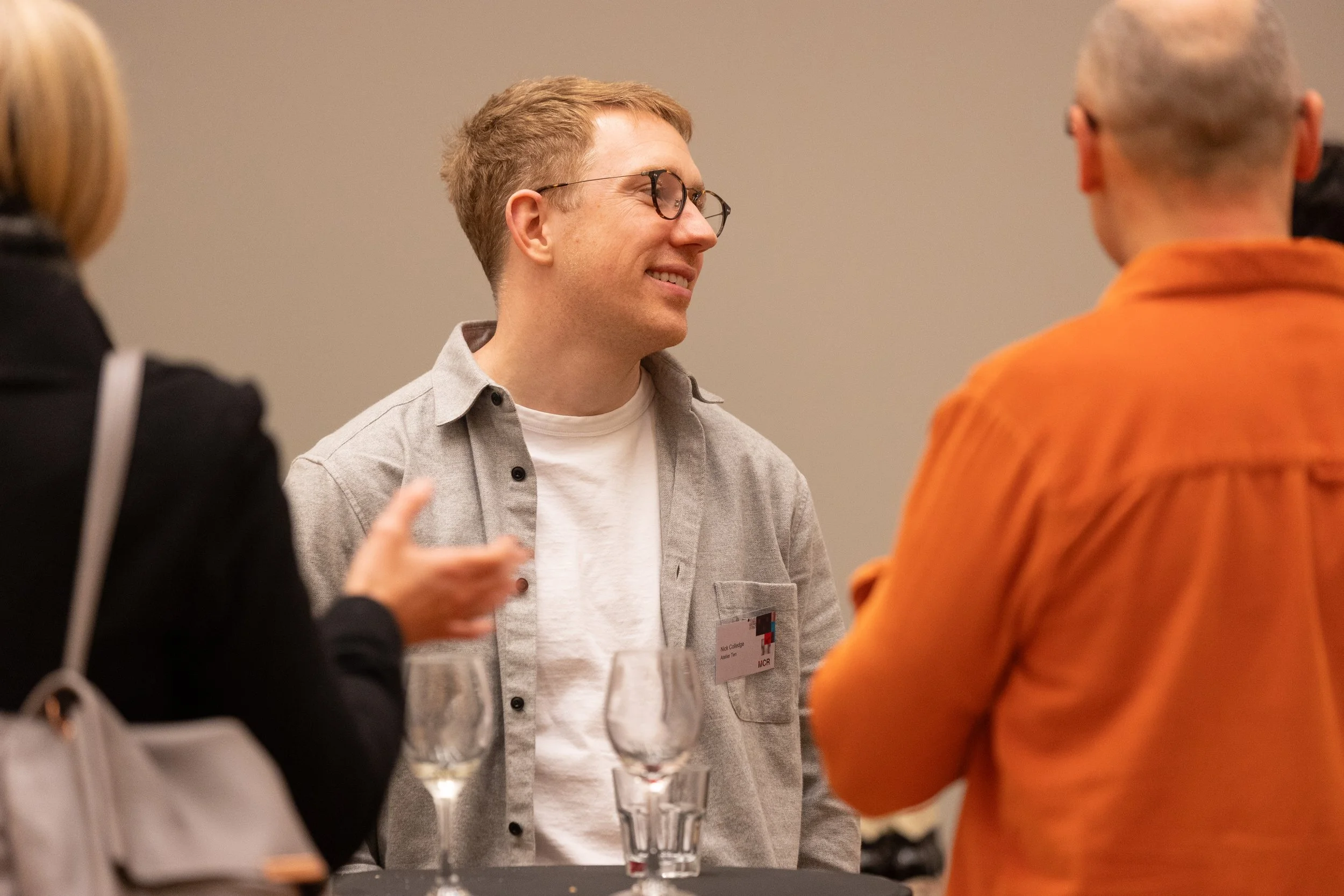
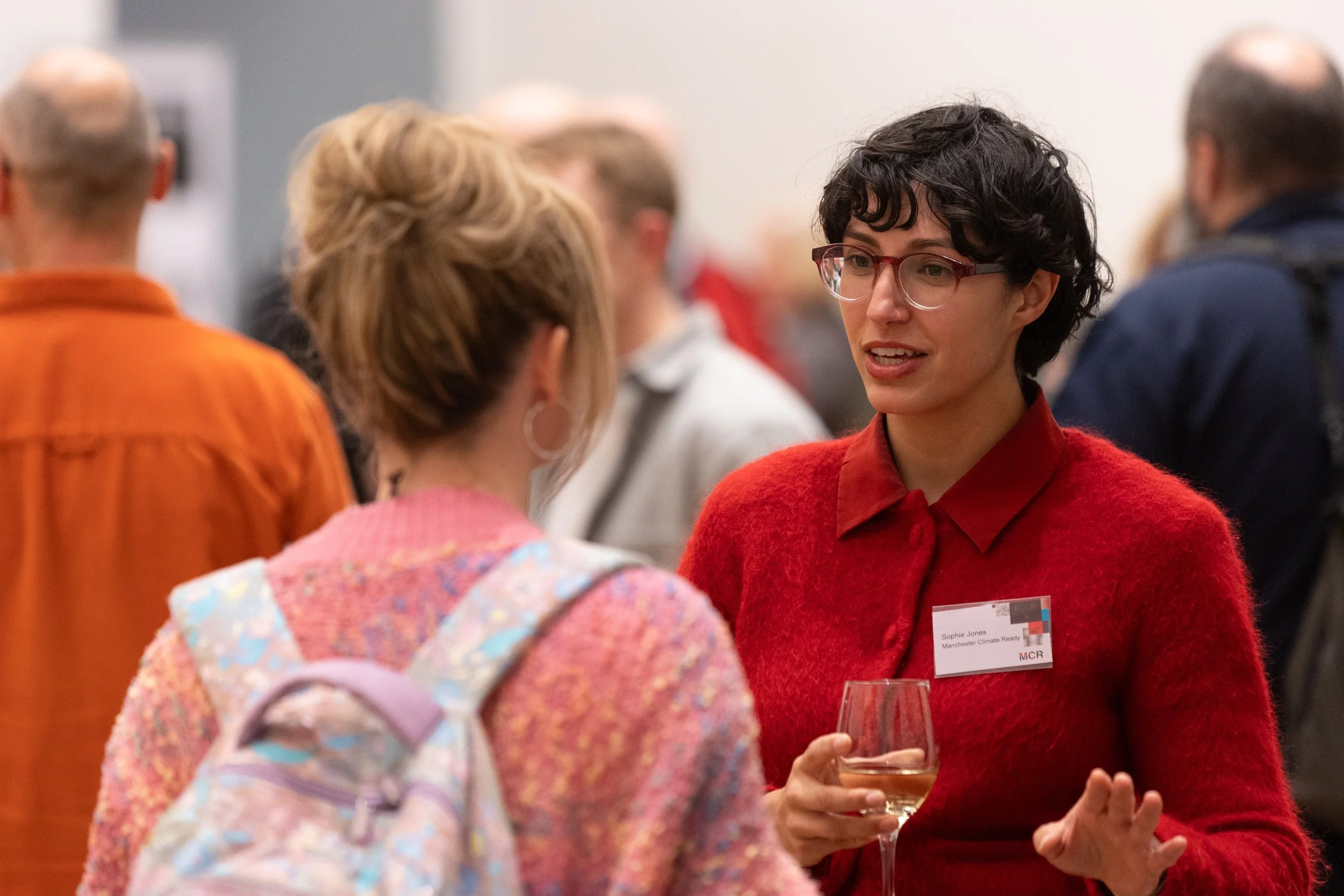
Thank you to everyone who joined us, shared their experiences and contributed to the discussions. Special thanks to The University of Manchester for hosting the event at The Whitworth, and to all our speakers, panellists and facilitators for their contributions.
Can your organisation be part of the solution?
Join the Manchester Climate Ready Partnership. Together we can create a healthy, green, socially just city where everyone can thrive.